Language Courses Online: Your 2026 Roadmap to Fluency
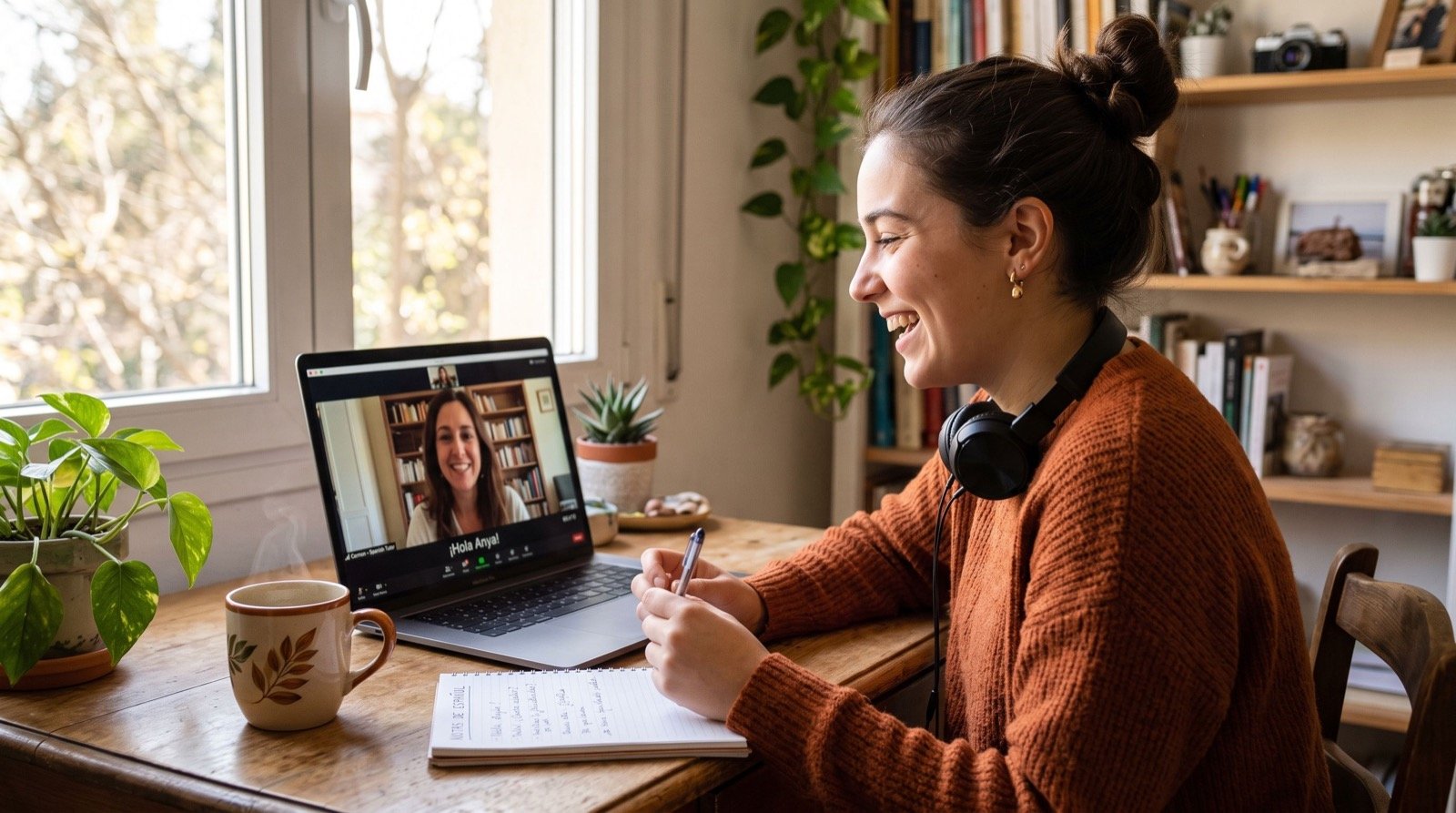
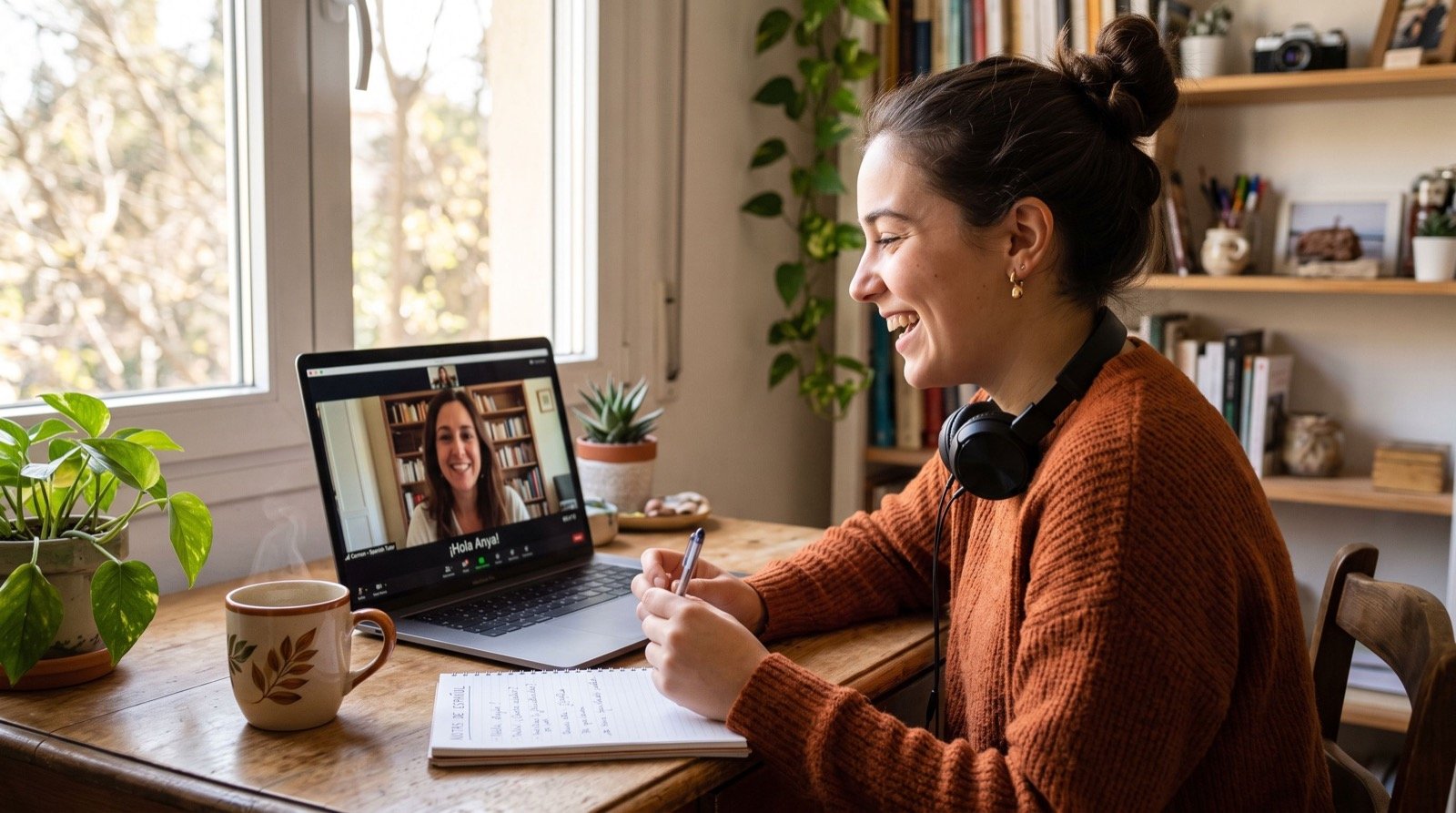
Language courses online have changed how people pick up a new tongue. A decade ago you needed an evening class across town and a patient classmate. Today you can meet a native-level teacher over video, practise with learners worldwide, and track your progress on a phone. In 2026 the tools are good enough that steady fluency is within reach for almost anyone willing to show up.
This roadmap explains how virtual language study works, which methods actually build speaking skill, and how to avoid the common traps that stall learners halfway. Think of it as the plan I wish every beginner started with.
Why language courses online work so well now
The shift comes down to practice and feedback. Older methods drowned learners in grammar rules. Modern virtual classes put you into real conversation early, then fix mistakes as they happen.
Research summarised by the Cambridge English teaching community consistently shows that frequent, meaningful speaking practice drives fluency faster than silent study. Online platforms make that daily practice easy, which is why completion and confidence rates keep rising.
What makes the online format effective?
- Live speaking time with a teacher who corrects you gently.
- Spaced repetition apps that lock vocabulary into memory.
- Recordings so you can rewatch tricky explanations.
- Flexible hours that fit around work or school.
Choosing the right program for your goal
Before comparing providers, name your goal. Travel small talk, exam preparation, and business negotiation each call for a different course. Matching the program to the goal saves months of wasted effort.
For learners who also need help with school subjects in the same sitting, pairing a language class with online tutors in Islamabad keeps everything under one trusted roof and one schedule.
Match the method to your target
| Your goal | Best focus | Typical timeline |
|---|---|---|
| Travel basics | Speaking and listening | 6 to 10 weeks |
| Exam certification | Grammar, writing, practice tests | 3 to 6 months |
| Business fluency | Vocabulary and roleplay | 6 to 12 months |
| Everyday conversation | Daily speaking practice | 4 to 8 months |
Whatever your target, strong language courses online should offer live practice, a clear syllabus, and regular feedback rather than endless vocabulary drills alone.
A weekly routine that builds fluency
Consistency beats intensity. Thirty focused minutes a day outperforms a single three-hour cram. Build a simple rhythm you can keep even on busy weeks.
- Monday to Friday: 15 minutes of vocabulary review each morning.
- Twice a week: a live speaking class with your teacher.
- Weekend: watch a short show or read an article in the language.
- Daily: think one sentence about your day in the new language.
Here is an original tip that speeds everything up: record yourself speaking for one minute each week and listen back. Hearing your own progress is oddly motivating, and it reveals pronunciation habits a textbook never will.
How do you stay motivated to the end?
Most people quit not from difficulty but from boredom or invisible progress. Fix both by making the finish line visible and the practice social.
Set small milestones, such as holding a five-minute chat or watching an episode without subtitles. Celebrate each one. Learn alongside others too, because a good cohort and an experienced local team of teachers keep you accountable on the days motivation dips.
- Find a practice partner at your level.
- Keep a short streak and protect it.
- Reward yourself at each milestone.
- Use the language for something you enjoy, like music or cooking.
Which languages are worth learning in 2026?
The right choice depends on your goals, but a few languages consistently offer strong returns for learners in Pakistan and beyond. Career value, travel, and the sheer number of speakers all factor in.
- English remains the top pick for study abroad, exams, and global jobs.
- Arabic opens doors across the Gulf and in business and religion.
- Mandarin Chinese tracks the growing trade ties with China.
- German appeals to students eyeing scholarships and engineering careers.
- French and Spanish suit travel, culture, and international roles.
Pick the language that matches a real goal you already hold. Motivation stays high when the skill connects to something you genuinely want to do.
Mistakes that slow learners down
From experience, the same few errors trip up most beginners. Dodge these and you will move faster than the crowd.
- Studying grammar silently instead of speaking from day one.
- Chasing perfection and fearing mistakes, which kills practice.
- Switching apps and courses every few weeks with no routine.
- Learning long word lists you never use in a sentence.
Fluency grows from brave, messy practice, not flawless exercises. Speak early, speak often, and let the corrections guide you.
Frequently Asked Questions
How long does it take to become conversational?
With daily practice and two live classes a week, most learners reach comfortable everyday conversation in four to eight months. Timelines vary by the language, your native tongue, and how much you speak out loud.
Are language courses online better than apps alone?
Apps are great for vocabulary and daily streaks, but they rarely build real speaking skill on their own. Combining an app with live classes gives you both memory and conversation practice, which is the winning mix.
Do I need a teacher, or can I self-study?
Self-study can take you far on reading and vocabulary, but a teacher accelerates speaking and corrects errors before they become habits. Even a couple of guided sessions a week makes a noticeable difference.
What equipment do I need for online classes?
A laptop or phone, a stable connection, and a simple headset are enough. A quiet space helps you focus during speaking practice.
Conclusion
The best language courses online in 2026 turn a daily half hour into real, usable fluency, provided you practise speaking and keep the routine alive. Name your goal, pick a program that matches it, and protect a weekly rhythm you can sustain. Progress compounds faster than you expect. Ready to begin? Enrol in a class this week and say your first full sentence in a brand-new language.